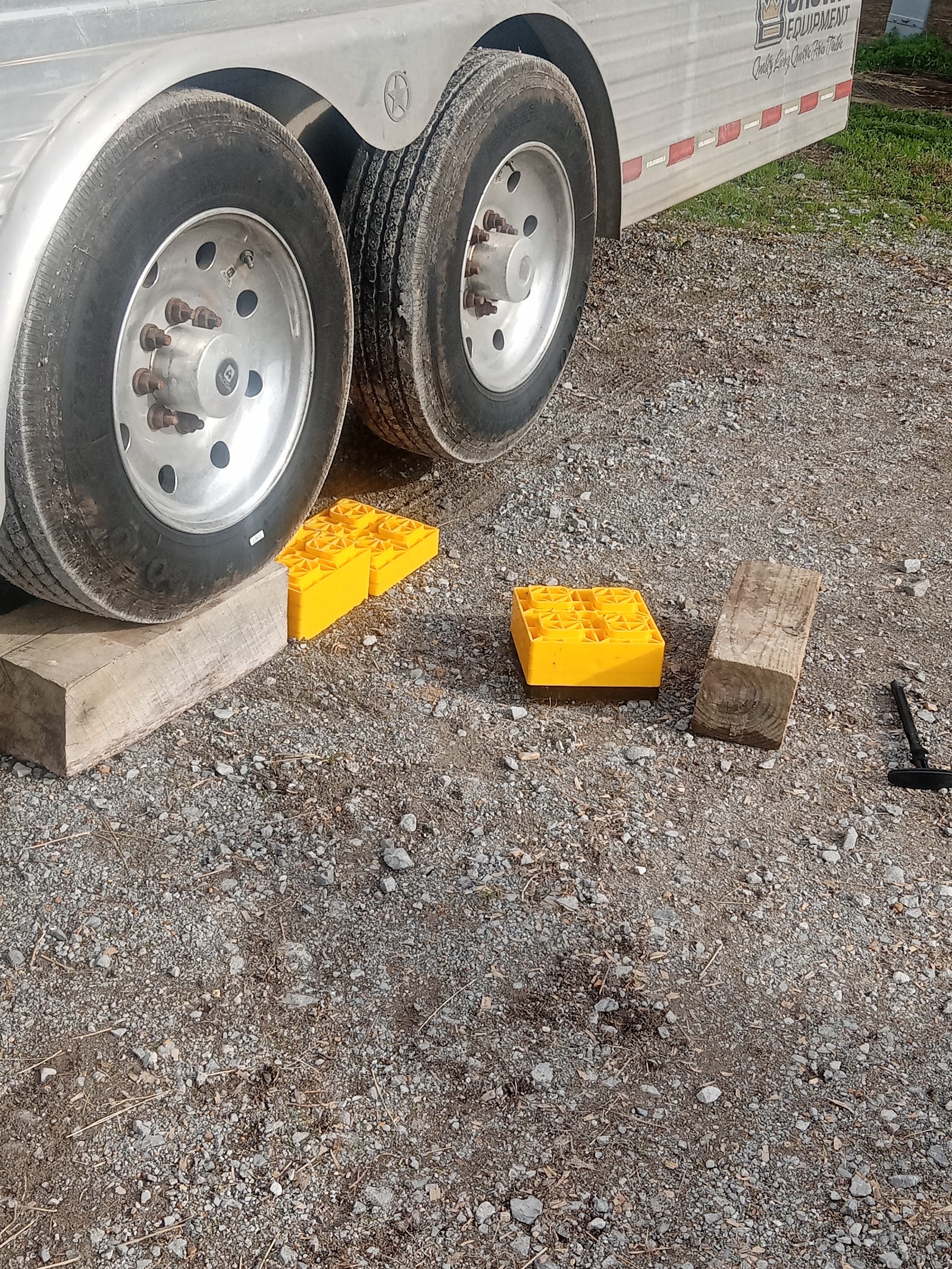
The tire size and type
The single biggest factor in the price of a new tire is the size. Tires come in a wide range of diameters, widths, and aspect ratios, and the larger or more specialized the tire, the more it costs to manufacture and purchase. A common sedan tire might be a 205/55R16, while a truck or SUV might require a 275/70R18. The larger the rim diameter and the wider the tread, the more rubber and materials are needed, which drives up the price.
Beyond size, the type of tire matters. All-season tires are the most common and generally the most affordable. Performance tires, designed for high-speed handling, use softer rubber compounds and cost more. Off-road and all-terrain tires have reinforced sidewalls and deeper treads, making them pricier. Winter tires also carry a premium due to their specialized rubber. When you call for a quote, know your tire size, it's printed on the sidewall, and be ready to discuss how you use your vehicle.
Tire brand and quality
Tire brands range from budget-friendly to premium, and the price difference reflects materials, construction, and testing. Premium brands invest in research and development, using advanced compounds and manufacturing processes that improve grip, durability, and fuel efficiency. They also offer longer treadwear warranties. Budget tires may be cheaper upfront, but they often wear out faster and may not perform as well in wet or snowy conditions.
That doesn't mean you always need the most expensive tire. For a commuter car driven in mild weather, a mid-range all-season tire may offer the best balance of cost and performance. For a vehicle that sees heavy loads or frequent highway driving, a higher-quality tire can be a better investment. Our shop can explain the differences between the options we carry and help you choose based on your driving habits and budget, without pushing you toward a premium you don't need.
Load rating and speed rating
Every tire has a load rating and a speed rating, indicated by letters and numbers on the sidewall. The load rating tells you how much weight the tire can safely support, and the speed rating indicates the maximum speed at which the tire is designed to operate. For most passenger cars, a standard load rating and a speed rating of S or T (up to 118 mph) are sufficient. However, some vehicles, especially trucks, SUVs, and performance cars, require higher ratings.
Using a tire with an insufficient load rating can cause overheating and failure, especially when the vehicle is loaded near capacity. A higher load rating often means a stronger sidewall and more internal belts, which adds to the cost. Similarly, a higher speed rating (like V or Z) uses stiffer rubber and construction, increasing price. Always check your owner's manual or the sticker on the driver's door jamb for the recommended ratings. Our shop can match the right tire to your vehicle's requirements.
Where you buy and how it's installed
The price you pay for a tire includes more than just the tire itself. Retailers and mobile services have overhead costs, rent, utilities, and labor, that are factored into the final price. A mobile service like ours comes to you, which saves you time and the hassle of driving to a shop, but that convenience is reflected in the service fee. You'll also pay for mounting and balancing, which is necessary for a safe and smooth ride.
Some shops advertise low tire prices but then add fees for disposal of the old tire, valve stems, or TPMS service. Always ask for a final out-the-door price that includes everything: the tire, mounting, balancing, valve stem, and disposal. When you get a quote from us, we'll break down the costs so you know exactly what you're paying for. This transparency helps you compare fairly, whether you're buying from us or elsewhere.
What to ask before you commit
Before you agree to any tire replacement, ask a few key questions. First, confirm the tire size and load/speed ratings match your vehicle's specifications. Second, ask about the treadwear warranty and what it covers, some warranties prorate a replacement if the tire wears out prematurely. Third, inquire about the age of the tire: you want a tire that was manufactured recently, not one that has been sitting in a warehouse for years.
Also ask about the condition of your current tires. If you're replacing just one, the other three should be in good shape with similar tread depth. If they're worn, replacing all four may be safer, but that's a bigger expense. Our shop will give you an honest assessment of your tires and explain the trade-offs. We're here to help you make a safe choice, not to upsell you on tires you don't need.